
Chatham County Probate Court Role
North Carolina probate is handled primarily by the Clerk of Superior Court. For Chatham County, the correct local probate office is the Clerk of Superior Court acting as Ex Officio Judge of Probate. The elected clerk and assistant clerks handle most estate hearings and preside over most estate cases. If a will is challenged through a caveat proceeding, a Superior Court judge hears that challenge.
The NC estates help topic states that a will has no legal effect until probated by a court, usually the Clerk of Superior Court. Estate administration is the court-supervised process for handling a deceased person's assets and debts. In Chatham County, estate files, special proceedings, guardianships, foreclosures, partitions, and some real-property court matters are clerk or court records. Deeds and most recorded real estate instruments are separate Register of Deeds records.
Probate definition: Probate is the court process that gives a valid will legal effect and authorizes estate administration.
Chatham Probate Terms Defined
Probate records use terms that are easy to confuse with ordinary civil case terms. These definitions keep the Chatham County probate record search tied to the estate or guardianship file being requested.
- Testator
- The person who made a will.
- Executor
- The person named in a will to carry out estate duties after probate.
- Personal representative
- The person authorized by the clerk to administer an estate.
- Intestate
- Dying without a valid will, which means property passes under North Carolina inheritance rules.
- Guardianship
- A court process for an adult or minor who needs a legally appointed decision-maker.
- Conservatorship
- A property-management term used in some probate systems; the Chatham research points users to North Carolina guardianship records instead.
- Special proceeding
- A clerk-handled court matter that can include partitions, foreclosures, estates, or related statutory proceedings.
Chatham Probate Contact
Chatham County probate venue is the Chatham County Clerk of Superior Court at the Chatham County Courthouse. The NC Judicial Branch lists the main courthouse at 40 E Chatham Street, Pittsboro, NC 27312, with mailing address PO Box 369, Pittsboro, NC 27312. The main phone number is (919) 545-3500, and public office hours are Monday through Friday, 8:30 a.m. to 5:00 p.m.
Clerk of Superior Court as Ex Officio Judge of Probate
40 E Chatham Street
Pittsboro, NC 27312
(919) 545-3500
Monday-Friday, 8:30 a.m.-5:00 p.m.
Chatham Estate Administration
Estate administration starts by determining whether the decedent left a will. If a will exists, it must be probated so the clerk can determine whether the document is legally valid to pass title. If court-supervised administration is needed, the clerk gives authority to a personal representative who inventories assets, gives public notice to creditors, pays valid debts, and distributes remaining property to beneficiaries or heirs.
- Determine whether the decedent left a will.
- Probate the will if one exists.
- Open estate administration if court supervision is needed.
- Obtain authority from the Clerk of Superior Court.
- Inventory assets and give public notice to creditors.
- Pay valid debts and distribute remaining property as the law or will requires.
Small estates may use simpler procedures than full administration. The research did not locate Chatham-specific small-estate thresholds or fee amounts, so the clerk should be contacted before filing or paying a probate fee.
Estate and Guardianship Sources
The statewide probate role is described by the NC estates help topic.
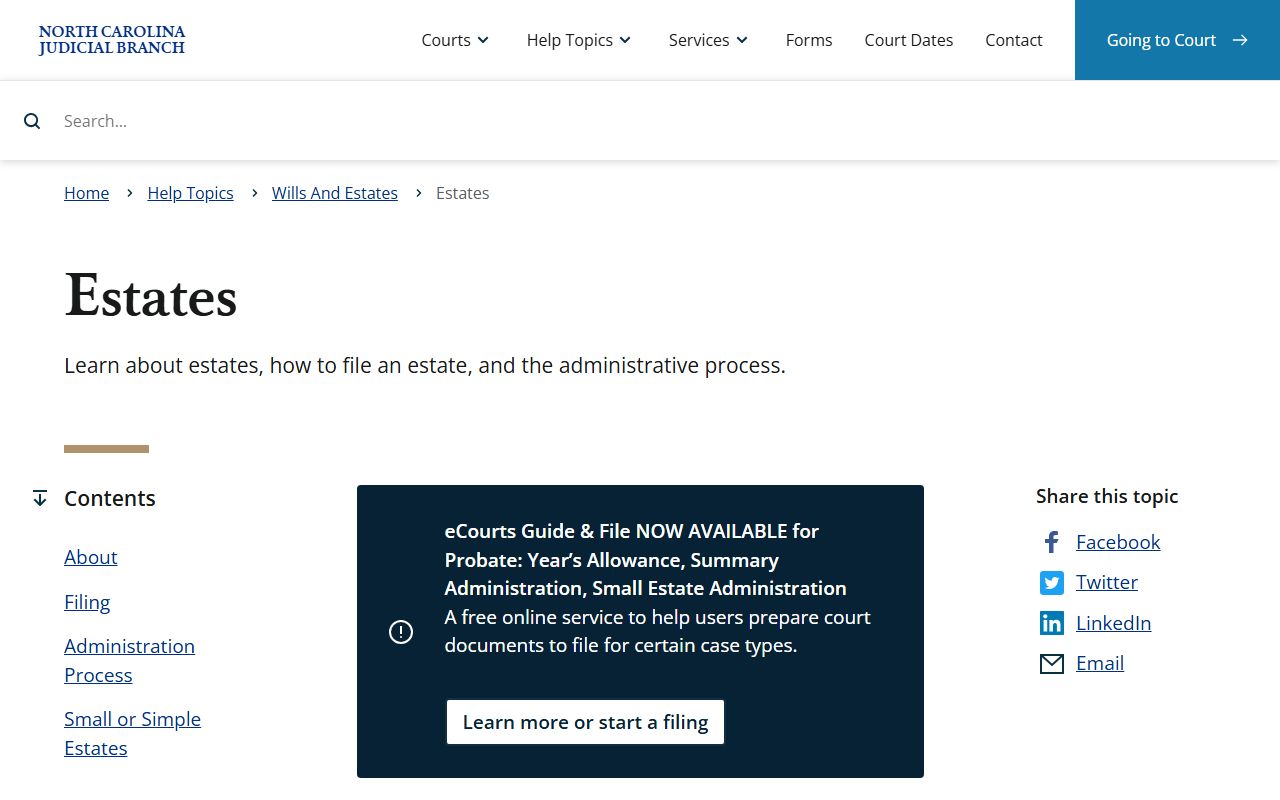
That source explains why Chatham County probate records run through the Clerk of Superior Court rather than a standalone county probate court.
Guardianship topics are covered by the NC guardianship help topic.
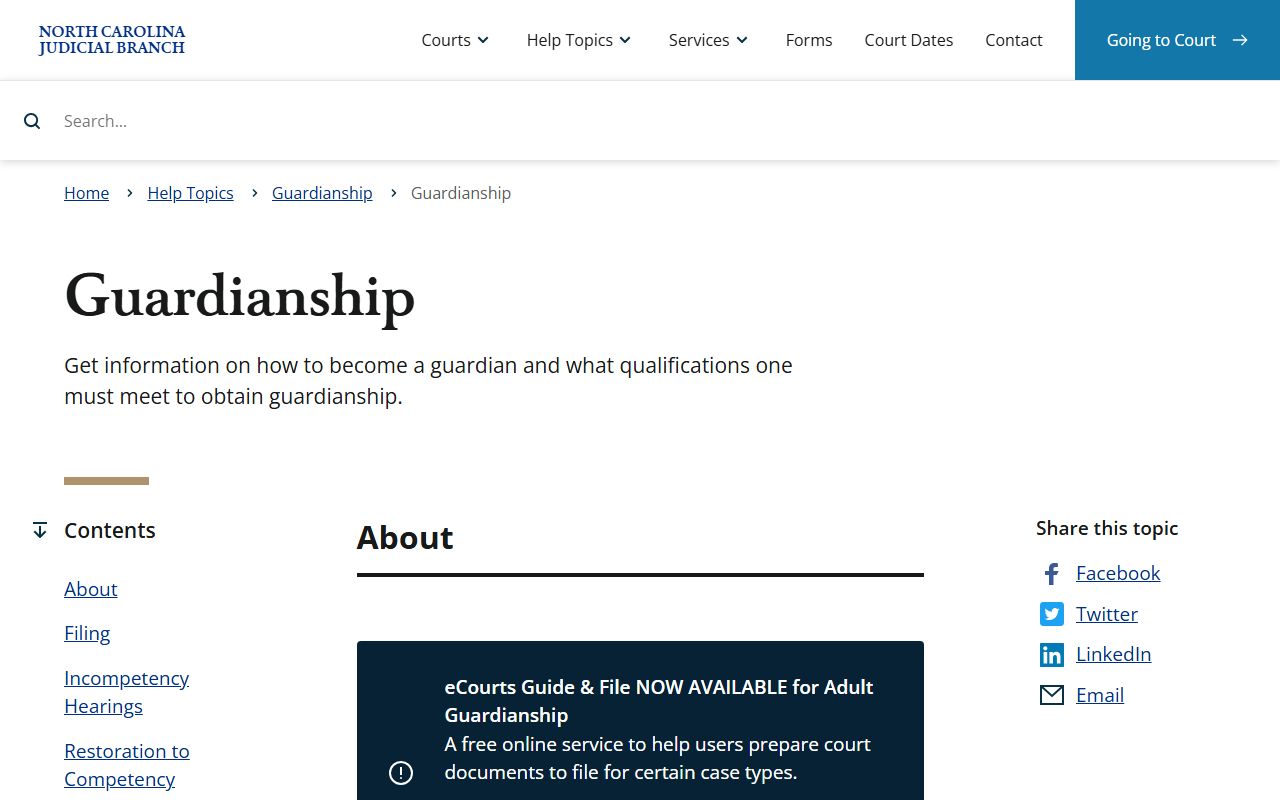
Guardianship records can contain medical, capacity, and financial facts, so public access can be more limited than access to ordinary estate administration papers.
Search Chatham Probate Records
For public case information, use NC Portal Smart Search with Chatham County selected when location filtering is available. Probate and estate hearing settings can be checked through Search Hearings by choosing Chatham County and the hearing type listed as Probate or Mental Health. The Portal may show case data, but document access depends on public access rules and case type.
| Search Channel | Use For | Chatham Probate Limit |
|---|---|---|
| NC Portal Smart Search | Public case information by name, record number, or case data. | Document availability varies by case type and access level. |
| Search Hearings | Estate, probate, mental-health, or guardianship hearing settings. | Use Chatham County as the location filter. |
| Public clerk terminal | Searching court files from a clerk's office. | Older or non-digitized files may require county file access. |
| Chatham Clerk's Office | Certified estate papers, paper file review, and filing questions. | Call or visit when online results are incomplete. |
For certified estate papers, call or visit the Chatham County Clerk of Superior Court. North Carolina's public records rules allow access to many court records, but probate access still depends on statutes, court orders, and sensitive-file restrictions.
Chatham Probate Fee Status
Chatham-specific estate filing and probate copy fees were not located in the inspected official Chatham pages. The research warns against using Register of Deeds copy fees for estate files unless the request is actually for a recorded deed, vital record, or other Register of Deeds document. Probate filing fees should be verified with the Clerk of Superior Court or a current official North Carolina court fee schedule.
| Probate Item | Amount | Research Status |
|---|---|---|
| Original estate filing | Not located in official Chatham sources | Verify with the Clerk of Superior Court. |
| Letters testamentary or estate authority papers | Not located in official Chatham sources | Verify with the Clerk before requesting certified papers. |
| Certified probate copy | Not located in official Chatham sources | Do not substitute Register of Deeds fees for court estate files. |
| Register of Deeds certified land-record copy | $5 first page, $2 each additional page | Only for recorded land records, not probate court files. |
Probate and Deed Records
Some estate work leads to real estate records, but that does not make all real estate records probate records. Deeds, plats, and most real estate instruments are recorded with the Register of Deeds. Estate administration, wills, guardianships, special proceedings, foreclosures, and partitions are clerk or court records. A person tracking inherited land may need both offices.
The Chatham Register of Deeds remote access site is an online record channel for recorded instruments.
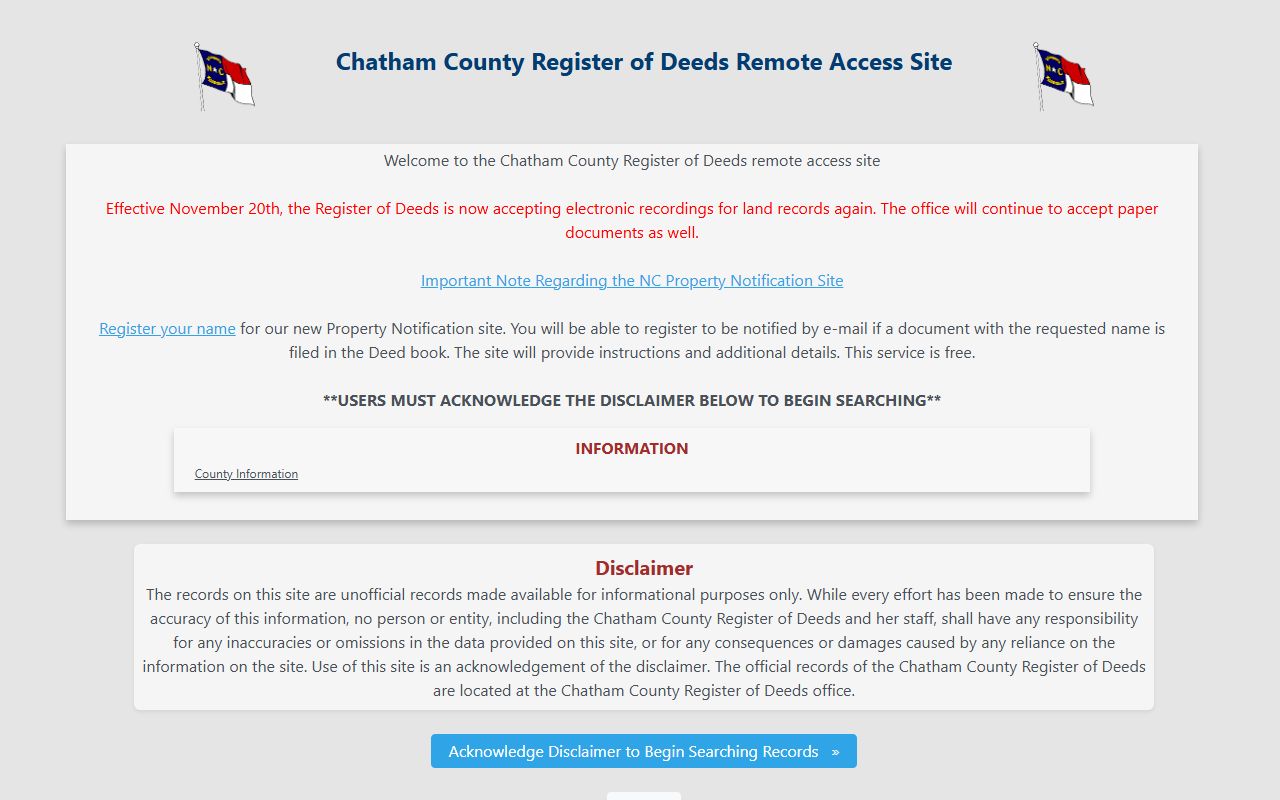
Use the Register of Deeds search for recorded deeds or land instruments, while using the Clerk for probate case files and estate authority papers.
Restricted Chatham Probate Records
Estate records are often more public than juvenile or sealed criminal records, but not every probate-related file is open in the same way. Guardianship and mental-health-related filings may include medical, capacity, financial, or personal information. Living wills, deposited wills, and incapacity matters should be handled carefully through the Clerk rather than assumed to be fully online.
North Carolina public-record access is shaped by several statutes. N.C. Gen. Stat. Section 132-6.2 addresses copy fees and available media for public records, while court-specific access also depends on clerk record rules and limits on confidential case types. Juvenile records, sealed records, and mental-health information should not be described as ordinary public probate results.
The public records copy-fee statute is one of the manifest sources for this probate records page.
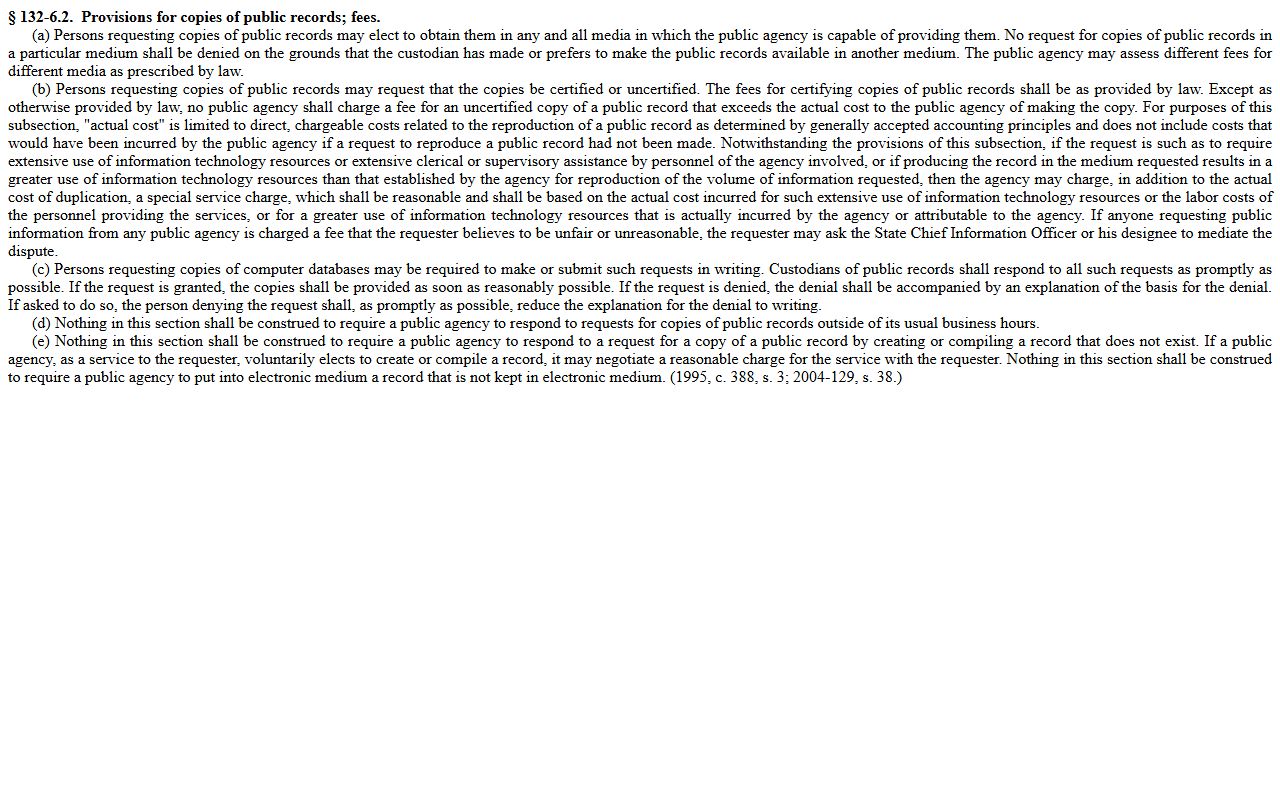
The statute supports the fee-access framework, but Chatham estate filing and copy amounts still need current Clerk confirmation.